Milano AutoClassica 2025: The Historic Motoring Show Returns to Fiera Milano

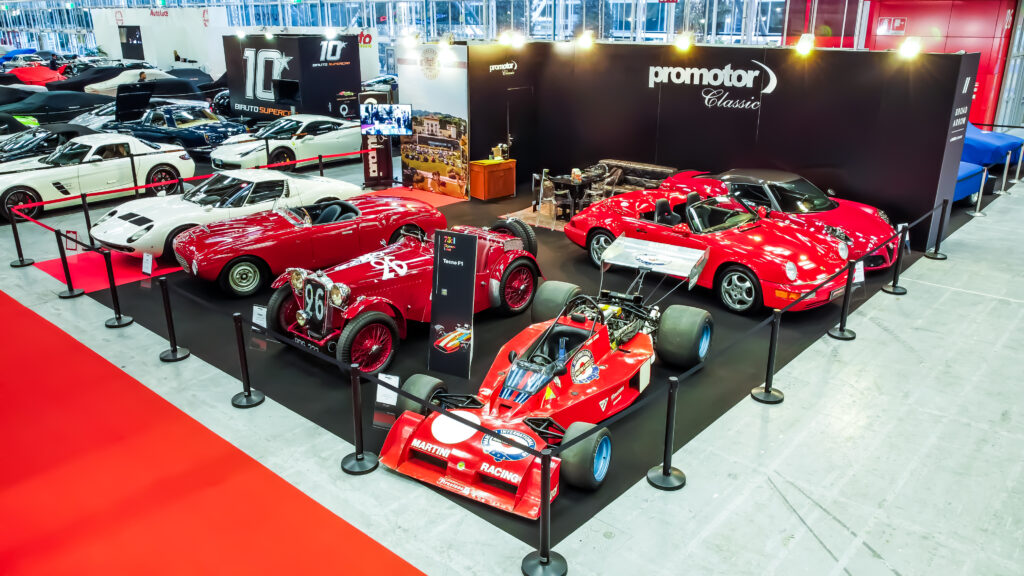
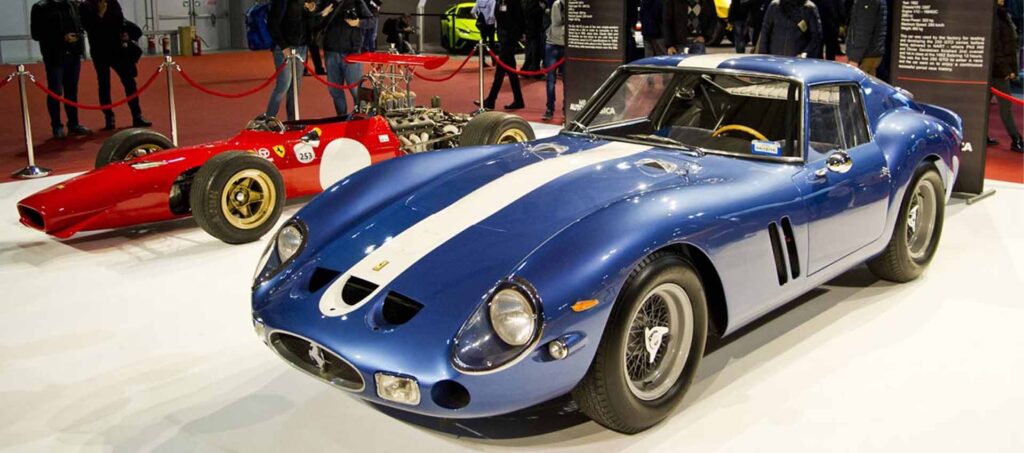
From 21 to 23 November 2025, the halls of Fiera Milano (Rho) will host the 15th edition of Milano AutoClassica, one of the most anticipated events for enthusiasts and collectors of historic motoring.
The show will offer a comprehensive overview of the classic-car world: from icons of the past to modern sports cars already considered future classics, as well as spare parts, scale models, specialist bookshops and themed markets.

One of the event’s key goals remains introducing the younger generations to automotive culture and to the historical value of classic vehicles.

Brands and Celebrations

Among the confirmed exhibitors are prestigious names such as Bentley, BMW Club Italia, Corvette, Ferrari Classiche, Lamborghini Club Italia, McLaren, Porsche Club Italia, and—making its first appearance—Rolls-Royce.

The 2025 edition will also celebrate several important anniversaries:

30 years of the Ferrari F50
20 years of the Ferrari FXX
60 years of the Rolls-Royce Silver Shadow
70 years of the Lancia Aurelia B24 Spider and the Mercedes 190 SL

Special Areas and Initiatives

The MAC Next Generation Hub returns, a space dedicated to tuned supercars, youngtimers, JDM models and racing cars, designed for a younger and more dynamic audience.

Among the side initiatives are a photography exhibition focused on women and the automotive world, dedicated entry for classic-car gatherings, and a large market area featuring vehicles and parts offered by dealers and private sellers.

A special novelty for 2025 will be the Vintage Boat Show, showcasing historic boats displayed directly inside the exhibition halls.

Awards and Must-See Events

Not to be missed is the Best in Classic award ceremony, celebrating excellence in the sector, scheduled for Friday, 21 November, at the Fiera Congress Centre.

The event will also feature an exhibition area dedicated to iconic two- and four-wheel models, including Japanese youngtimers and historic BMW GS motorcycles.

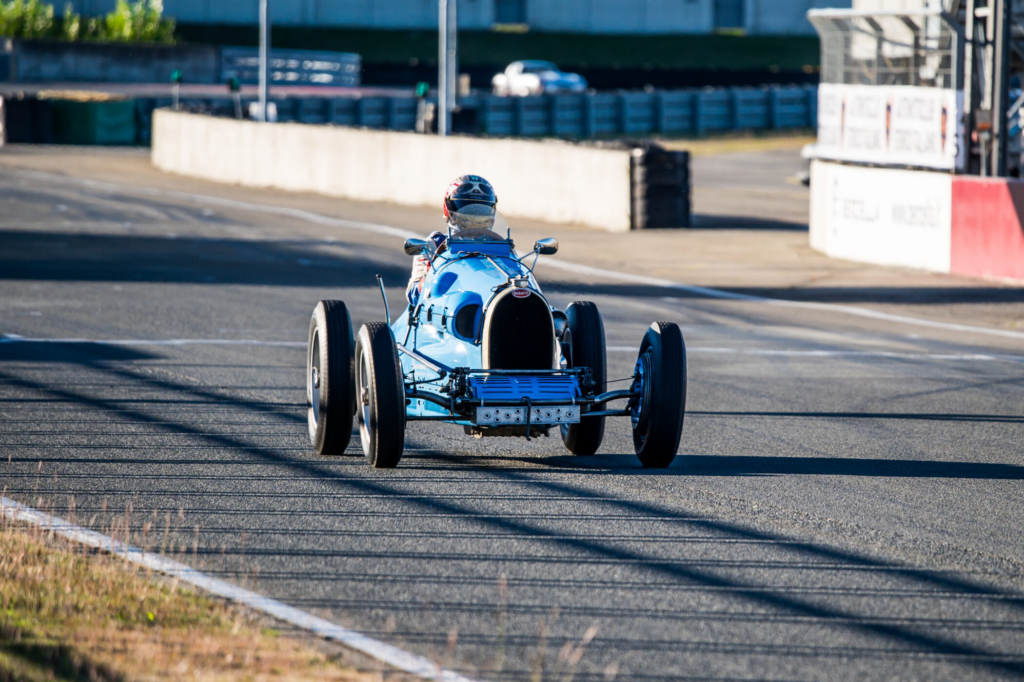
ASI in Pista, 8 novembre a Varano de’ Melegari: track day dedicato alle auto storiche

On Saturday, November 8, the Riccardo Paletti Circuit in Varano de’ Melegari will host the sixth edition of “ASI in Pista”, a full day dedicated to historic road and racing cars. The circuit in the province of Parma, located in the heart of the Motor Valley, will welcome iconic models from private collections and historic racing teams.

Eligible cars

The event is open to:

  • competition cars built up to 1995 (single-seaters, prototypes, touring and rally cars)
  • sports cars and road-going models of particular historical interest built up to 2005

Cars will be grouped into homogeneous categories according to age and type.

Event activities

The paddock will become an open-air exhibition area, while the track will host 15-minute free-driving sessions. A special homologation session is also scheduled for vehicles requiring technical inspection for ASI certification.

The programme (approximate timetable) includes:

  • 08:30 – Welcome and participant registration
  • 09:00–13:00 – Track sessions and technical inspections
  • 13:00–14:00 – Club parade and hot laps
  • 14:00–16:00 – Second block of track sessions
  • 16:30 – “Best of Paddock” awards ceremony

Participants may also book:

  • lunch at the Dallara Museum
  • a guided tour of the Museum

An event for enthusiasts and collectors

“ASI in Pista” is designed to allow historic-car owners to experience their vehicles in their natural environment: the racetrack. At the same time, the presence of the technical commission gives collectors the opportunity to start or complete the certification process.

Not just an open track day, but a format that combines driving, automotive culture and the enhancement of Italy’s historic motoring heritage.

FIVA and Ferrari Classiche join forces: partnership for the certification of historic Ferraris

FIVA and Ferrari Classiche have signed an agreement introducing a new certification process for historic Ferraris. From now on, cars that receive the Certificate of Authenticity issued by Ferrari Classiche will automatically obtain the FIVA ID Card, integrated into the verification procedure.

The collaboration provides direct access to Ferrari’s historical archives, offering complete documentation from the car’s origin: technical data, initial specifications and subsequent configurations. The goal is to establish a more accurate and transparent certification chain, with information validated directly by the manufacturer.

The agreement also marks the beginning of a broader dialogue between FIVA and the heritage departments of automotive manufacturers. The intention is to involve, in the future, other brands with restoration centres and official archives, making the certification system increasingly authoritative.

At the same time, FIVA is working on a strategic topic: the transition of youngtimers (cars from the 1980s and 1990s) into the historic-car category. Work is progressing on two fronts:

  • access to manufacturers’ spare-parts databases to verify conformity,
  • collaboration with specialised companies for the certified reproduction of unavailable parts, including through advanced technologies such as 3D printing.

A new programme is also being developed to recognise vehicles of national historical significance, selected not only for their prestige but for their cultural or contextual value — cars that have marked an era or the history of a region.

The partnership between FIVA and Ferrari Classiche therefore represents a concrete step towards a more structured and recognised certification process, with direct impact on the market, collectors and industry professionals.

Veteran Car Run 2025: 340 vintage cars cross the finish line in sunny Brighton

London–Brighton, 2 November — The 2025 edition of the RM Sotheby’s London to Brighton Veteran Car Run concluded with the arrival of 340 vehicles out of 384 starters on Madeira Drive, welcomed by an unusually sunny day on the Sussex coast. The event, reserved for vehicles built before 1905, remains the world’s oldest running motoring event.

A 129-year tradition

The Run commemorates the Emancipation Run of 1896, held to celebrate the abolition of restrictive laws that limited the circulation of motor vehicles and required a man on foot waving a red flag in front of each car. The symbolic tearing of the red flag, which marks the official start of the Run, was performed this year by racing driver and broadcaster Alex Brundle, together with presenter Charlotte Vowden.

Both led the procession driving a Wolseley 3.5hp from 1899, the only surviving and running car from the historic “1000 Mile Trial” of 1900, part of the collection of the British Motor Museum.

From central London to the sea

At 7:00 a.m., with the sunrise, the cars left Hyde Park in order of age, preceded by bicycles and motorcycles of the same era. The procession passed London’s most iconic landmarks — Buckingham Palace, Westminster and Big Ben — before splitting into two alternative routes and rejoining south of Croydon.

Among the most photographed vehicles:

  • the Salvesen Steam Car, complete with coal-firing stoker;
  • motor-tricycles with drivers in period clothing;
  • a 1901 Benz Spider and a 1904 Mercedes-Simplex, showcased by Mercedes-Benz Heritage ahead of the brand’s centenary in 2026.

More than 100 historic manufacturers were represented. De Dion-Bouton was the largest in attendance, with over 50 vehicles entered.

Innovation then, sustainability now

Alongside petrol and steam-powered vehicles, some participated using modern alternative fuels: synthetic e-fuels and eCoal, a biofuel derived from vegetable biomass. A fascinating parallel between the pioneering experimentation of early motoring and today’s energy transition.

Enthusiastic public along the entire route

Tens of thousands of spectators lined the 60-mile route to cheer on the participants. The first vehicle to reach Brighton was a 1900 Renaux tricycle, completing the journey in just under four hours.

Duncan Wiltshire, chairman of the Royal Automobile Club, described this year’s edition as “one of the best ever,” highlighting the work of the 280 volunteers positioned along the route. Alex Brundle, taking part for the first time, was equally enthusiastic about the experience.

Coppa delle Alpi 2026: registrations open for the winter race by 1000 Miglia

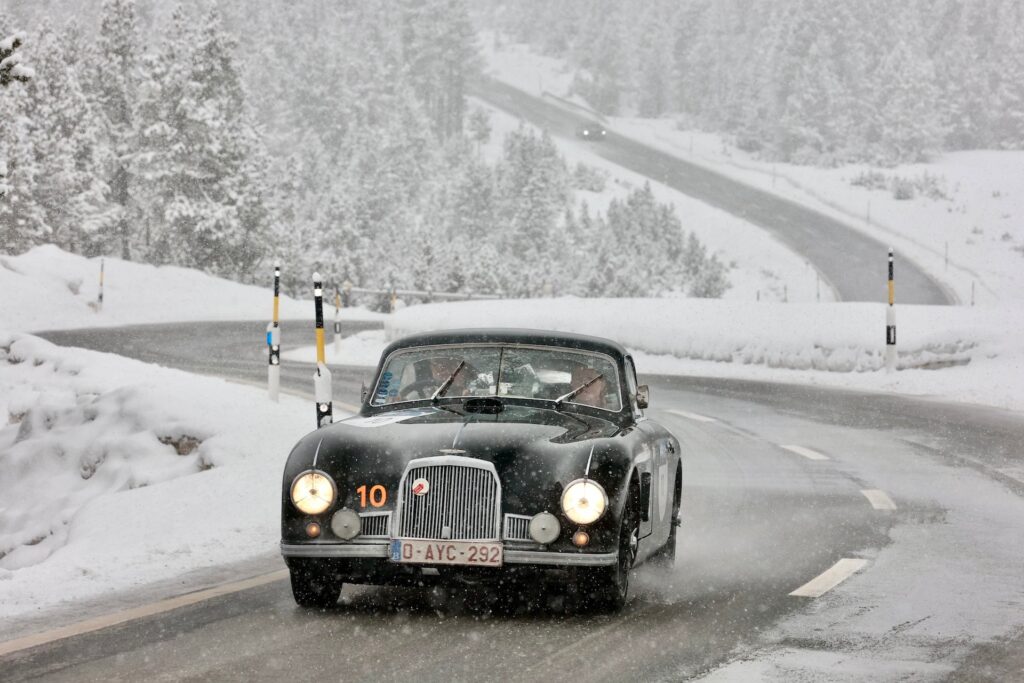
Registrations are now open for the Coppa delle Alpi 2026. The regularity event for historic cars, organized by 1000 Miglia, will take place from 12 to 15 March 2026 and introduces an important new feature compared to previous editions: the route will follow a “petal” format, with both the start and finish in St. Moritz, in the Engadin region.

Over the three days of competition, crews will cover approximately 645 kilometres between Italy and Switzerland. The sporting program includes:

  • 90 Time Trials
  • 8 Average Speed Tests
  • 10 Time Controls
  • 4 Passage Controls

After technical checks, the opening stage will take place entirely on the roads surrounding St. Moritz. The second day will be dedicated to the Alpine passes: Bernina, Foscagno, Eira and Ofenpass, with a stop in Livigno. Additional trials are scheduled in Val Müstair, on Lake Resia, and along the course of the Olympia Bobrun, the only natural-ice bobsleigh track in the world.

The final stage will reach Arosa, in the Canton of Grisons, before returning to St. Moritz. A unique highlight awaits at the end of the route: cars will be loaded onto the Klosters–Selfranga train, one of the few railway convoys that allows vehicles to be transported along scenic alpine sections.

A maximum of 60 cars built up to the year 2000 will be admitted to the 2026 edition. The registration deadline is 4:00 p.m. on 17 February 2026, and accepted crews will receive confirmation by 20 February.

The event also grants 8 guaranteed entries to the 1000 Miglia 2027.

Auto e Moto d’Epoca 2025: numbers, highlights and market trends from Bologna’s classic car show

The 42nd edition of Auto e Moto d’Epoca has closed with a clear message: Bologna is now the new home of Europe’s historic motoring scene. Four intense days, packed halls, a lively market and an atmosphere that brought together enthusiasts of all ages.

An event where market, culture and passion meet

With over 235,000 square meters of exhibition space, 14 halls and 4 thematic routes, the event confirmed its international scope. Across the aisles of BolognaFiere, collectors, manufacturers, museums and historic clubs met and interacted, giving life to an experience that goes far beyond a commercial trade show.

Auto e Moto d’Epoca once again proved to be a place where history, design and engineering intersect to tell the story of mobility. More than an exhibition: a cultural journey into the world of classic motoring.

Market rebound and a younger audience

Positive signals arrived from the market as well: many exhibitors reported sales and meaningful contacts. Visitors are increasingly prepared and selective, and a rising share of buyers is now between 30 and 50 years old, especially interested in iconic cars from the ’80s and ’90s — the cars they dreamed of as teenagers.

The trend is clear: passion is renewing itself and attracting a new generation of collectors.

Not just cars: motorcycles gain momentum

The classic motorcycle segment also performed strongly, supported by specialized exhibitors and a knowledgeable audience. Exhibits dedicated to sports bikes of the ’70s–’90s drew great interest, as did the area celebrating Honda’s history, with a curated selection of models representing decades of production and racing activity.

The presence of legendary riders and motorsport figures turned this section into a natural gathering spot for fans.

Celebrating 75 years of Formula 1

One of the most photographed areas of the entire event was the exhibition dedicated to 75 years of Formula 1. A selection of 30 original single-seaters showcased the technical and stylistic evolution of the world’s most iconic motorsport discipline.

For many visitors, walking through the display felt like traveling through F1 history.

Bologna, heart of the Motor Valley

The success of the 2025 edition firmly positions Bologna as Europe’s reference point for historic motoring events. Already located within the famous Motor Valley, the city proves to be the ideal venue thanks to its accessibility, its exhibition infrastructure and its cultural environment, which enhances events of this kind.

Auto e Moto d’Epoca once again showed that it is much more than a fair: it is a meeting point for enthusiasts, a high-quality market, and a place where people can discover, dream and — in many cases — take home a piece of history.


Looking ahead

The direction is clear: more cultural content, more experiential elements, and a constant openness toward a new audience. If 2025 confirmed Bologna as the sector’s capital, the 2026 edition promises to take things even further.

Historic motoring is not nostalgia: it is the future, with memory.

Modena Cento Ore 2025: A Quarter Century of Passion and Performance

From October 5 to 10, 2025, the legendary Modena Cento Ore celebrated its 25th anniversary with a spectacular edition — five days of racing, five circuits, and ten special stages blending the thrill of competition with the beauty of Italy’s most iconic landscapes.

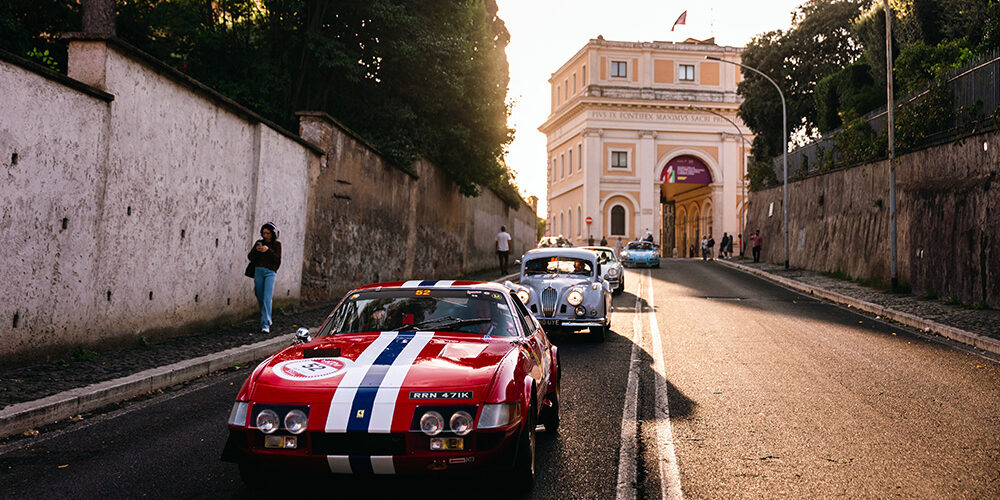
Organized by Canossa, the event set off from Rome, with scrutineering and registration held at Villa Borghese, followed by a ceremonial parade through the capital’s historic landmarks. Divided between pre-war and post-1966 categories, the participating cars embodied a perfect mix of heritage, elegance, and racing spirit.

The competition officially began on October 6 at the Autodromo di Vallelunga, then continued to Magione, Mugello, Misano, and Imola. Between circuits, crews tackled ten closed-road special stages, two per leg, on a route designed to highlight both driving skill and scenic beauty.

The itinerary crossed some of Central Italy’s most picturesque towns — Viterbo, Orvieto, Assisi, Perugia, Arezzo, Florence, Cervia, Rimini, San Marino, Forlì, and Faenza — before the grand finale in Modena, the beating heart of the Motor Valley.

Evenings offered a true taste of Italian style and hospitality: a welcome dinner in Rome, a gala night inside Palazzo Vecchio’s Salone dei Cinquecento, a lively celebration at the Darsena del Sale, and a closing night filled with live music and Modenese cuisine.

On the sporting front, victory in the overall classification went to the German duo Stephan and Matthias Jocher, driving a Conrero-prepared Opel Ascona 400. They dominated the G/H/I category (post-1966 cars), finishing just over a minute ahead of two Ferrari 308 GTBs — one driven by the Dutch pairing Glenn and Conrad Janssens, the other by Britain’s James Crossland and Robert Brooks.

In the D/E/F class (pre-1965 cars), Jaguar E-Types claimed the top two positions, with Marcus Anderson and Nicola Arena taking the win ahead of Jon Minshaw and Katarina Kyvalova. Third place went to the Ferrari 250 SWB of Kevin and Lee Jones.

The Index of Performance, which rewards cars based on age and potential, was dominated by a trio of Alfa Romeo 8C 2300s: Roderick and Elizabeth Jack took first place, followed by Martin and Susanne Halusa and Clive and Charlie Joy.

In the regularity category, victory went to the Jaguar XK140 of Jeffery Gault and Raffaele Conti, ahead of Beat Roethlisberger / Philippe Romero and Alexander Marmureanu / Laura Huettner, both also in E-Types.

A lighter moment closed the event when Americans Adam Lindemann and Georg Schloendorff, in their Porsche 914/6, received the traditional “Wooden Spoon” — the tongue-in-cheek award for last place. The pair humorously admitted to skipping a timed session in Florence to visit the Uffizi Gallery, perfectly capturing the relaxed and joyful spirit that defines the Modena Cento Ore.

The 1000 Miglia Experience Greece concludes its first edition at the foot of the Acropolis.

With a triumphant arrival in the heart of Athens, at the foot of the majestic Acropolis, the first edition of the 1000 Miglia Experience Greece came to a close. Four intense days, over 1,000 kilometers of route, and more than 30 international crews brought the spirit of the legendary Red Arrow to a new and extraordinary adventure in the heart of Greece. It was an experience that combined passion for automobiles with a spirit of discovery, crossing landscapes that blend myth, culture, and the genuine warmth of Greek hospitality.

The Ferrari 488 Pista of the Italian crew Macario–Di Costanzo, the OM 665 Sport MM of the San Marino–Luxembourg duo Wetz–Galloni, and the Lancia Fulvia of the Japanese team Matsuba–Matsuba took the overall podium of the inaugural edition.

After a day dedicated to crew registration and vehicle preparation, the competition unfolded across four intense stages:

Wednesday, October 8: Athens → Nafplio
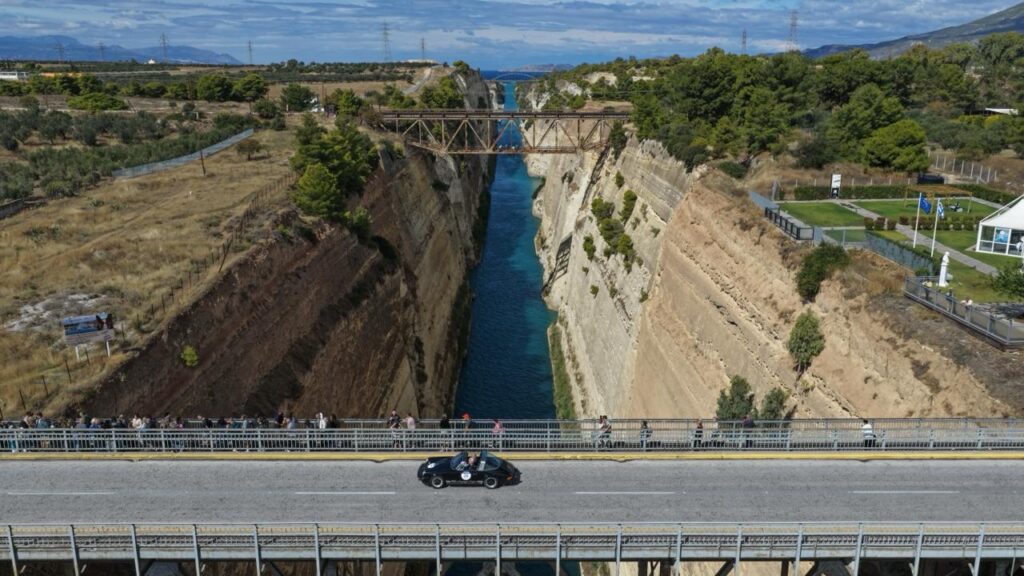
The event officially started from one of the most iconic locations in the world — the Acropolis of Athens, a symbol of history and civilization. After stopping in Elefsina and crossing the Corinth Canal, the convoy reached the picturesque town of Nafplio, greeted by the lively atmosphere of its old town and the enthusiasm of the public.

Thursday, October 9: Nafplio → Pylos
Following a regularity test in the characteristic Arcadian village of Kollines, the crews headed to Sparta, cradle of ancient Greek military power, for the stamp control. From there, the route continued through Kalamata to Pylos, where the sunset offered one of the most breathtaking views of the entire journey.

Friday, October 10: Pylos → Agioi Theodoroi
Crossing the lands of Messenia, ancient Olympia, and the stone village of Levidi, the third stage led participants along the winding roads of Mount Mainalo and through the vineyards of Nemea, before reaching Agioi Theodoroi.

Saturday, October 11: Agioi Theodoroi → Athens
The grand finale began with a timed trial at the Megara Circuit, followed by a pleasant seaside lunch in Glyfada. In the afternoon, the route reached the southernmost point of the Attica peninsula, featuring a scenic passage near the Temple of Poseidon and a panoramic stop at Olympic Marine. The return to Athens symbolically closed the circle, culminating in an exclusive gala dinner at Dionysos Zonar’s, with a breathtaking view of the illuminated Parthenon — the perfect setting to celebrate the conclusion of the event.

Targa Florio 2025: The Sicilian legend roars back

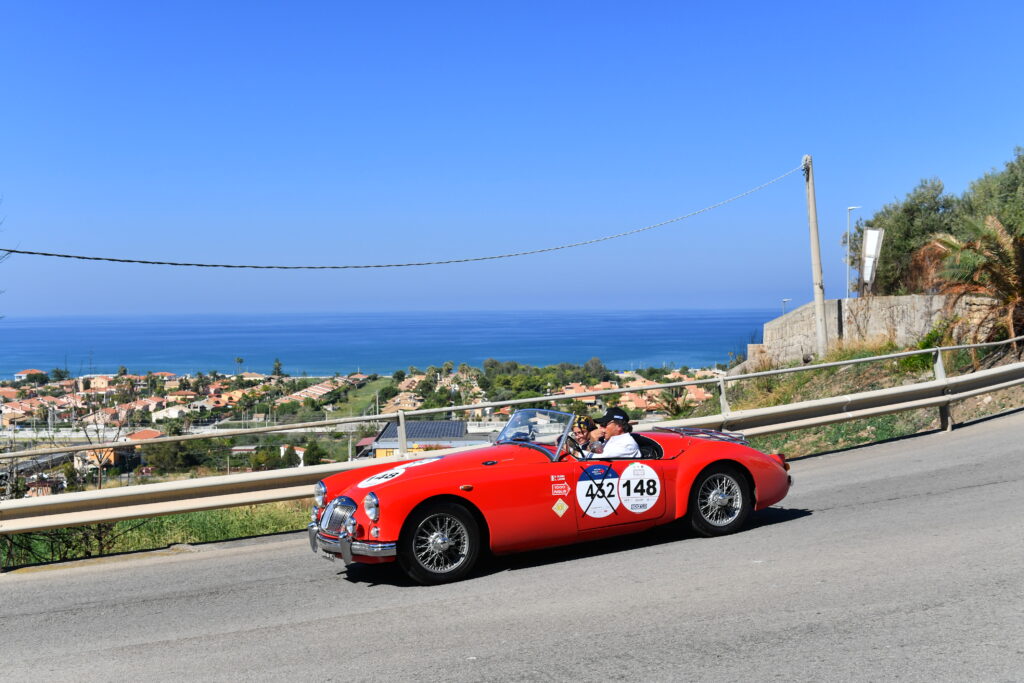
From October 16th to 19th, Sicily will once again host one of the most iconic competitions in world motorsport. The Targa Florio Classica 2025 renews the magic of the “Cursa,” the world’s oldest race, which still today combines charm, history, and sporting passion. The event, part of the Italian Grandi Eventi Championship , will welcome over two hundred crews from around the world, ready to compete amid breathtaking scenery, legendary curves, and an ever-enthusiastic crowd.

The 2025 edition will cover a route nearly six hundred kilometers long, divided into two main stages. The first day , approximately 293 km long, will take the crews through the colorful salt pans, the historic cellars of Marsala, and the archaeological ruins of Selinunte, on a journey that combines the winemaking and cultural traditions of western Sicily. The second stage , 303 km long, will take the race back to the heart of the Madonie Mountains, the historic cradle of the Targa Florio and the setting for Nino Vaccarella’s exploits. One of the special stages will be dedicated to the “flying principal,” named in his honor to celebrate the legendary Palermo-born driver whose name, more than any other, has been linked to this race.

The official start is scheduled for Thursday, October 16th, from Piazza Verdi in the center of Palermo, with the usual crowd of spectators and enthusiasts. The event will conclude on Sunday the 19th with a relaxed parade towards Monreale, taking in the views and architectural beauty.

In the front row will be reigning champions Francesco and Giuseppe Di Pietra in a Fiat 508C , currently leading the Italian Grand Events Championship. Among the most eagerly awaited opponents are Mario Passanante and Alessandro Molgora , also in a Fiat 508C, ready to relaunch the challenge on their home roads. Alongside the historic cars, there will also be space for modern Gran Turismos , produced from 1991 onwards, which will compete for the Modern Cars title. Finally, there is great anticipation for the Ferrari Tribute to Targa Florio , with around eighty Prancing Horse models from twenty countries: from Belgium to the United States, from Mexico to Ukraine, in a true ode to automotive passion.

The Automobile Club: A New Meeting Place For Those Who Live Their Passion On Four Wheels.

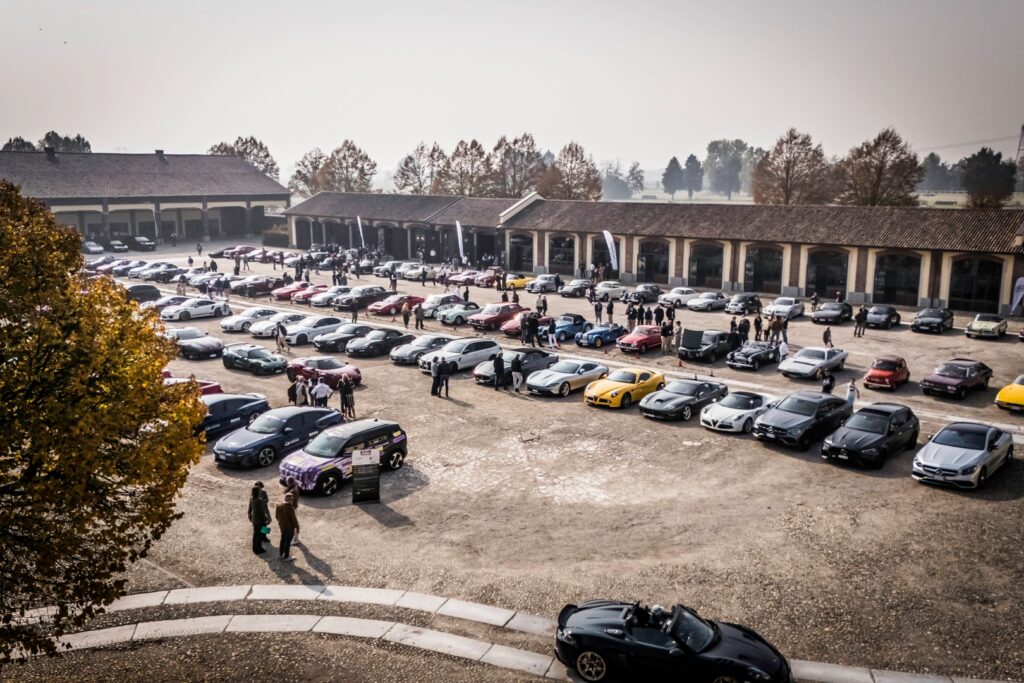
A place where the automobile takes center stage again, not just as a means of transportation, but as an expression of culture, style, and belonging. This is the philosophy behind the creation of the Circolo dell’Automobile, inaugurated along the Quattroruote track, in the heart of the Pavia countryside.

Designed as an exclusive club open to enthusiasts, the Circolo aims to bring together those who love cars in all their forms: classic, sports, or contemporary. It’s a place to share experiences, connect, and pursue your passion in safety and with a sense of community.

A symbolic seat in the temple of guidance

The new facility is located at the Automotive Safety Centre in Vairano di Vidigulfo, a facility that has been a benchmark for driving testing and training for thirty years.

The former agricultural courtyard that houses the Club has been transformed into a modern and welcoming complex: a clubhouse for meetings and events, a workshop and detailing area, customizable and video-surveilled garages, as well as a library and rooms for conferences, presentations, and cultural activities.

The driving track remains the beating heart of the project: a place to learn, test, and improve your skills, always with safety and respect for the mechanics in mind.

Between passion, culture and experimentation

The Automobile Club presents itself as a unique model in the Italian landscape: it combines the pleasure of driving with cultural reflection, offering members opportunities for discussion, education, and discovery.

Not just speed or performance, but a broad vision that encompasses history, technology, and design. The goal is to create a true automotive community, where tradition and future coexist and interact.

The inauguration: track, emotions and spectacle

The official opening was attended by over five hundred guests, including collectors, journalists, and industry professionals.

The day was filled with track activities, hot laps with test drivers, off-road tests, and kart sessions, not to mention simulators for the younger ones.

On stage, Gioele Dix’s voice and talent added a theatrical and cultural note with a performance inspired by Dino Buzzati’s automotive tales, transforming the car into a symbol of freedom and introspection.

Outside, the arena hosted a parade of exceptional cars, from the legendary Lancia Aurelia and Ferrari 275 GTB/4 to the most recent supercars, in an ideal dialogue between different eras and languages.

Rounding out the day, a thematic exhibition entitled “From Mazzocchi to Quattroruote – Memory in Motion” chronicled the evolution of the relationship between automotive culture and publishing, through models that have shaped the Italian and international history of the automobile.