


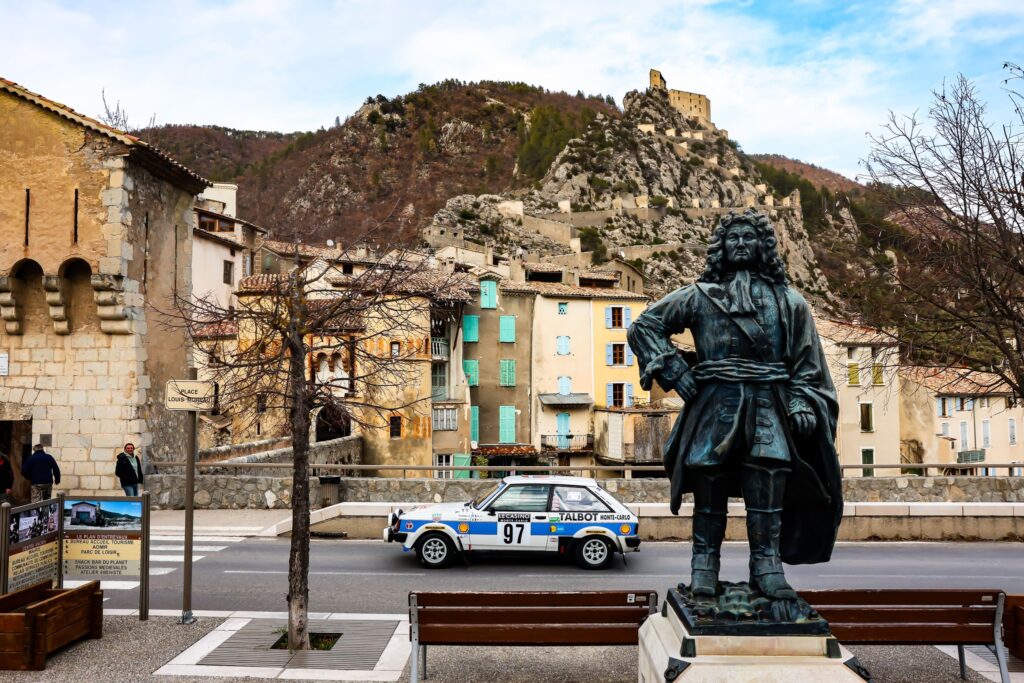
The first stage of the 2026 Rallye Monte-Carlo Historique immediately made the difficulty of this edition clear. The start of the race was anything but smooth, characterized by challenging weather conditions, technical tests, and a high pace that required maximum concentration from the first kilometers.
Difficult conditions and high pace
The Leg 1 route featured challenging and variable sections, with often treacherous asphalt and ice in some sections, especially in the higher elevations. This environment placed the crews’ ability to adapt crucially, as they were challenged to find the right balance between precision, strategy, and mechanical reliability.
A more selective stage than the past
Compared to some previous editions, this first day of racing was distinguished by greater selectivity. The stages, held on roads closed to traffic, favored a smoother ride but at the same time challenged those who failed to correctly interpret the road surface and the constant variations in grip.
Leadership built with consistency
The pairing of Olivier Campana and Lydia Campana emerged at the end of the stage , putting in a solid and consistent performance that allowed them to take the lead in the overall standings. A leadership they built, stage after stage, thanks to intelligent pace management and impeccable reading of the race.
Plot twists and technical problems
There were plenty of surprises. Some top-level crews saw their races compromised by technical problems already in the first special stages, confirming how the Rallye Monte-Carlo Historique remains a severe challenge not only for drivers and navigators, but also for the mechanics of the historic cars.
A look at the next stages
With the first stage underway, the race is now in full swing. The upcoming stages promise new scenery, fascinating roads, and even more challenges, in a rally that continues to represent one of the most comprehensive and fascinating testing grounds in the international historic racing scene.